Detect Pest Activity Before Collections Are Damaged
Insects can remain unnoticed inside storage rooms, display areas and collections until visible damage has already occurred. Professional Pest Control monitoring helps detect activity early, identify affected areas and support timely preventive action.
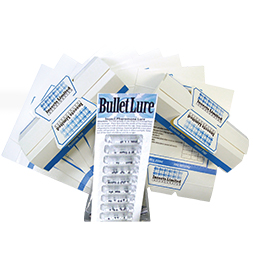
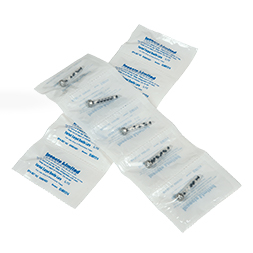
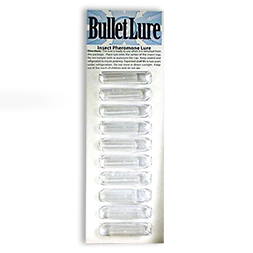
Pest Control solutions including pheromone traps, insect monitoring traps and museum pest control systems help protect vulnerable collections while supporting structured integrated pest management (IPM) programs. The scope and nature of varied carpet beetle infestations and prevent further insect damage with this Varied Carpet Beetle Pheromone Kit. The larvae of the varied carpet beetle (Anthrenusverbasci) are voracious feeders of animal and plant products, such as carpets, felt, woolen goods, skins, furs, stuffed animals, leather book bindings, feathers, horns, hair, silk, cattle hair and insect meal, seeds, grains and corn cayenne peppers. It is particularly devastating to insect and ethnographic collections in museums. Monitoring your collections allows you to take immediate action when these pests appear. Pheromone Bullet Lures fit in small spaces and are designed to attract the male of the species. Hang sticky traps for best results, as the males are good fliers. Kit contains ten traps and ten Bullet Lures for the varied carpet beetle.
Dutco Tennant provides access to specialised pest-monitoring solutions backed by product guidance and project support. Teams can select monitoring products according to collection type, storage conditions and facility requirements through our Pest Control solutions.
Protect Collections Through Early Pest Detection
- Detect insect activity before infestations cause extensive material damage.
- Use pheromone traps to monitor specific pest activity in collection and storage areas.
- Support museum pest control without relying solely on reactive treatment.
- Position insect monitoring traps systematically to identify pest movement and concentration.
- Build a consistent integrated pest management (IPM) program around documented monitoring data.
Core Technical Capabilities
- Targeted Attraction: Specialised pheromone lures attract selected insect species to support focused monitoring.
- Pesticide-Free Monitoring: Sticky monitoring traps can detect pest activity without introducing pesticides into sensitive collection environments.
- Extended Lure Performance: Selected pheromone lures remain effective for up to three months after activation.
- Area-Based Placement: Monitoring systems can be distributed strategically across small rooms and larger storage facilities.
- Collection Protection: Regular monitoring gives conservation teams early information for investigating and managing emerging pest activity.
Types
Pheromone Monitoring Traps
Targeted pheromone traps attract specific insect species and help teams determine whether pests are present.
- Support species-focused pest surveillance.
- Suitable for strategic placement in storage and display areas.
- Help establish recurring monitoring records.
Sticky Insect Traps
Adhesive insect monitoring traps capture insects moving through monitored areas.
- Provide visible evidence of pest activity.
- Require no powered equipment.
- Support routine inspection schedules.
Collection Pest Monitoring Kits
Complete monitoring kits provide essential components for organised museum pest control programs.
- Combine traps and attraction lures in one monitoring solution.
- Simplify deployment across multiple collection areas.
- Support scheduled replacement and inspection procedures.
Storage Area Pest Monitoring
Monitoring solutions designed for storerooms help identify activity where collections may remain undisturbed for long periods.
- Cover shelving and storage zones systematically.
- Highlight potential infestation hotspots.
- Support preventive collection-management procedures.
Integrated Pest Monitoring Systems
Structured integrated pest management (IPM) combines monitoring, inspection and corrective action.
- Establishes repeatable monitoring procedures.
- Helps teams identify pest trends over time.
- Supports preventive rather than purely reactive management.
Standout Features & Benefits
1. Early Pest Identification
- Monitoring reveals insect activity before extensive damage becomes visible.
- Insect monitoring traps help identify problem areas throughout a facility.
- Earlier detection supports faster investigation and corrective action.
2. Targeted Monitoring
- Pheromone traps can attract particular pest species.
- Targeted detection makes monitoring more focused.
- Teams can concentrate inspections around identified activity zones.
3. Collection-Sensitive Approach
- Pesticide-free monitoring options reduce unnecessary chemical use around sensitive materials.
- Suitable for conservation-led museum pest control strategies.
- Supports monitoring of textiles, natural-history materials, books and other vulnerable collections.
4. Better Pest Management Planning
- Routine inspections create useful records of insect occurrence.
- Recorded activity supports integrated pest management (IPM) decisions.
- Trends can help teams evaluate whether control measures are working.
Application Area
Museums
- Monitor collections, galleries and storage rooms for pest activity.
- Protect textiles, ethnographic materials and natural-history specimens.
- Support preventive conservation procedures.
Archives & Libraries
- Monitor areas containing books, documents and paper collections.
- Identify pests around shelving and storage spaces.
- Reduce the risk of unnoticed collection damage.
Heritage Collections
- Monitor historic textiles, organic materials and decorative objects.
- Establish regular inspection points throughout heritage facilities.
- Support long-term preventive collection care.
Collection Storage Facilities
- Position traps systematically across large storage areas.
- Compare pest activity between different storage zones.
- Maintain documented monitoring schedules.