
Manhole Covers at WETEX 2026: Choosing the Right Load Class for Infrastructure Projects
Every urban infrastructure network depends on components that often remain unnoticed but perform critical functions every day.

Every urban infrastructure network depends on components that often remain unnoticed but perform critical functions every day.
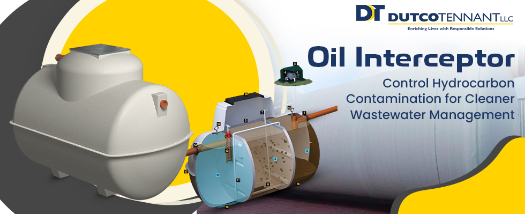
Oil carried into a drainage network can turn routine runoff or wash water into a difficult waste stream. Vehicle leaks, workshop.

As-built documentation is often completed under considerable time pressure. Contractors must record installed conditions while access is available.

Critical infrastructure depends on digital systems that observe and influence physical operations.

Underground utilities need dependable access at ground level. Across the UAE and GCC

Road infrastructure is designed to withstand years of continuous traffic, but its performance depends largely on the type and volume of vehicles using it.

On highways, bridges, tunnels, industrial routes and major infrastructure corridors, road safety barriers are installed to protect road users and control vehicle movement.
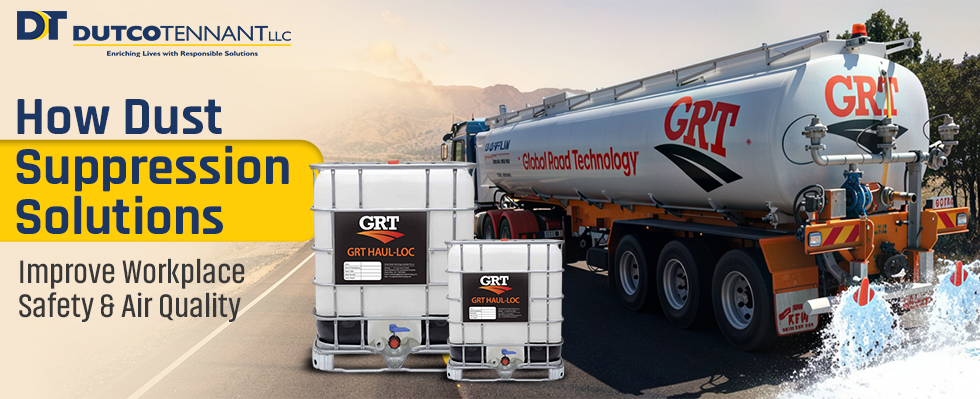
Dust is often treated as a routine site condition, yet its impact extends far beyond housekeeping. On construction projects.

Drainage systems depend on more than pipes, chambers and gratings. Inside a road gully

Every year, thousands of kilometres of new roads are developed, expanded, or upgraded across the UAE.