



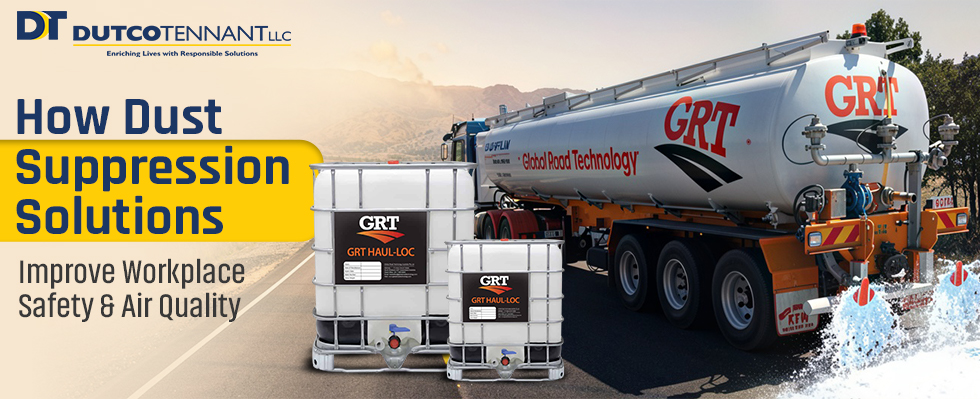
Common Problems Caused by Dust and How Suppression Solutions Solve Them
Dust is often treated as a routine site condition, yet its impact extends far beyond housekeeping. On construction projects, haul roads, quarries, industrial facilities, and infrastructure developments, airborne dust can affect visibility, equipment performance, environmental compliance, and daily operations.
The challenge becomes even greater in regions where dry conditions, high temperatures, and constant vehicle movement create ideal conditions for dust generation. Effective dust control is not simply about reducing visible dust clouds; it is about managing the source of dust and minimizing its impact on people, equipment, and project performance.
A structured dust management strategy helps project teams address these challenges while supporting safer and more efficient site operations.
The Impact of Airborne Dust on Site Conditions
Dust generated from excavation, grading, crushing, material handling, and vehicle movement can quickly become airborne. Once suspended, fine particles can travel across large areas, affecting both work zones and surrounding environments.
On active sites, excessive airborne dust may reduce visibility, create uncomfortable working conditions, and increase the amount of cleaning required throughout the project. In areas with continuous vehicle movement, dust generation can become a recurring operational challenge.
Implementing a dust suppression system helps reduce the amount of dust released into the air by targeting dust at its source before it spreads across the site.
Extending Dust Control Performance Beyond Water Application
Water remains one of the most commonly used methods for controlling dust. Water trucks and spray systems can provide immediate dust reduction by increasing surface moisture and preventing particles from becoming airborne.
However, water alone may not always provide long-lasting results. In hot climates, treated surfaces can dry quickly, particularly on heavily trafficked roads and work areas.
This is where a dust suppression chemical may be considered as part of a broader dust control strategy. Certain solutions are designed to improve the effectiveness of water applications and help maintain dust control performance for longer periods between treatments.
For projects where water conservation and operational efficiency are important considerations, selecting the appropriate suppression method can help optimize resource usage while maintaining site conditions.
Visibility Challenges in Active Work Zones
Visibility is a critical safety factor on construction and industrial sites. Heavy equipment operators, truck drivers, and ground personnel all rely on clear sightlines to work safely and efficiently.
Dust clouds generated by moving vehicles can reduce visibility around haul roads, loading zones, and access routes. These conditions may affect vehicle movement and make site coordination more difficult.
A properly implemented Haul Loc dust control system helps reduce dust generation from traffic routes and work surfaces, contributing to clearer visibility throughout active areas of the site.
By controlling dust where it is generated, project teams can help maintain safer operating conditions during daily activities.
Controlling Dust Around Sensitive Surroundings
Many construction and infrastructure projects operate near residential communities, commercial developments, public roads, and operational facilities.
Dust that leaves the project boundary can create concerns for neighbouring properties and increase pressure on site management teams to improve environmental performance.
Effective dust suppression focuses not only on work areas but also on preventing dust migration beyond the site perimeter. Surface treatment, stockpile management, controlled vehicle movement, and targeted suppression measures can all contribute to reducing off-site dust movement.
A proactive approach helps maintain cleaner surroundings and supports better environmental management throughout the project lifecycle.
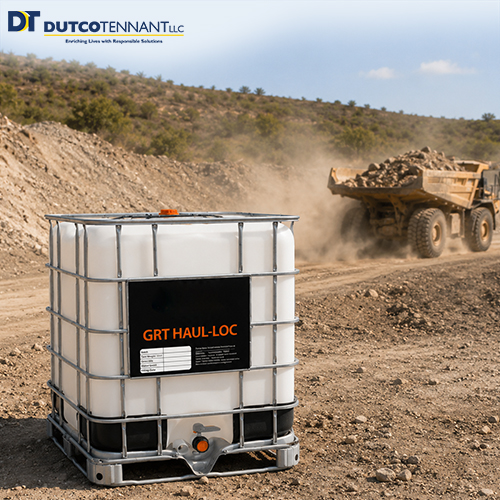
The Relationship Between Dust and Equipment Maintenance
Dust does not only affect the surrounding environment; it also interacts with equipment and operational assets.
Fine particles can accumulate on machinery, filters, cooling systems, instrumentation, and other exposed equipment. Over time, this may increase cleaning requirements and contribute to additional maintenance activities.
In industrial environments, dust can settle on surfaces throughout the facility, creating extra housekeeping requirements and affecting the appearance of operational areas.
Industrial dust control measures help reduce the amount of airborne dust circulating around equipment and infrastructure, contributing to a cleaner operating environment.
Balancing Surface Moisture and Dust Reduction
Successful dust suppression involves finding the right balance between controlling dust and maintaining suitable surface conditions.
Applying excessive amounts of water may create soft surfaces, localized pooling, or surface deterioration in certain situations. At the same time, insufficient treatment may allow dust to become airborne again shortly after application.
A well-planned dust suppression system considers site conditions, traffic levels, material characteristics, and environmental factors when determining the most appropriate treatment approach.
The objective is to achieve effective dust reduction while maintaining stable operating surfaces that support ongoing project activities.
Integrating Dust Suppression into Daily Construction Activities
Dust control is most effective when it becomes part of routine site management rather than a reactive response to visible dust events.
Different project stages often generate different types of dust. Earthworks, excavation, material storage, demolition, grading, and haul road operations may each require specific control measures.
As a result, construction dust suppression strategies are typically adapted to suit changing site conditions throughout the project lifecycle.
Integrating dust control into daily operations helps maintain consistency and allows site teams to respond more effectively as activities evolve.
Selecting an Approach That Matches Site Conditions
Every site presents unique challenges. The type of material being handled, traffic frequency, weather conditions, water availability, and project duration all influence the most suitable suppression strategy.
A dust control chemical may be appropriate in some situations, while water-based suppression, surface treatment, or combined approaches may be more suitable in others.
Successful dust management begins with understanding how dust is generated, where it travels, and which operational activities contribute most significantly to dust levels.
By evaluating site-specific conditions, project teams can select solutions that align with operational objectives and environmental requirements.
Supporting Better Dust Management Across Infrastructure Projects
Whether managing haul roads, construction zones, industrial facilities, stockyards, or large-scale civil works, controlling dust remains an important part of maintaining safe and efficient operations.
Modern dust control and dust suppression solutions provide project teams with multiple approaches for addressing airborne particles, improving visibility, reducing maintenance challenges, and supporting cleaner work environments.
As project requirements continue to evolve, selecting the right dust suppression system helps create more controlled site conditions while supporting operational performance across a wide range of infrastructure and industrial applications.