Dutco Tennant Brings Mody Pump Wastewater Handling Solutions to WETEX 2026
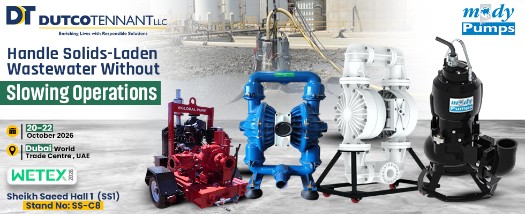
Moving water is simple. Moving wastewater, solids-containing fluids and challenging liquids requires a much more specialised approach.

Moving water is simple. Moving wastewater, solids-containing fluids and challenging liquids requires a much more specialised approach.
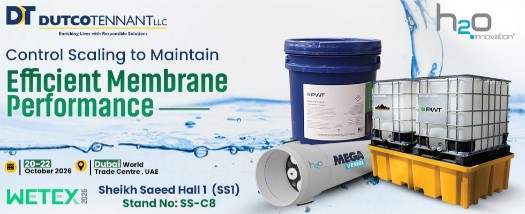
Efficient water treatment systems require more than a single filtration process. From protecting membranes against scaling to supporting.
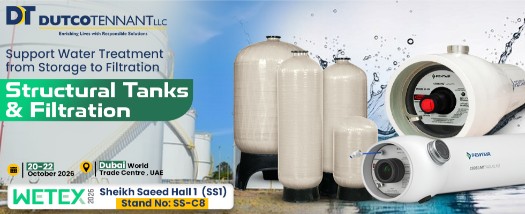
Reliable water treatment systems depend on carefully selected components that support filtration, purification, and continuous operation.
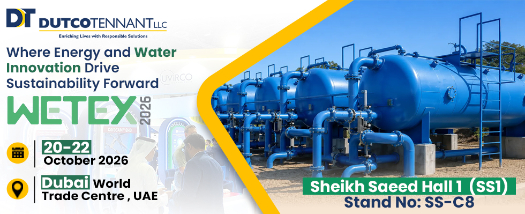
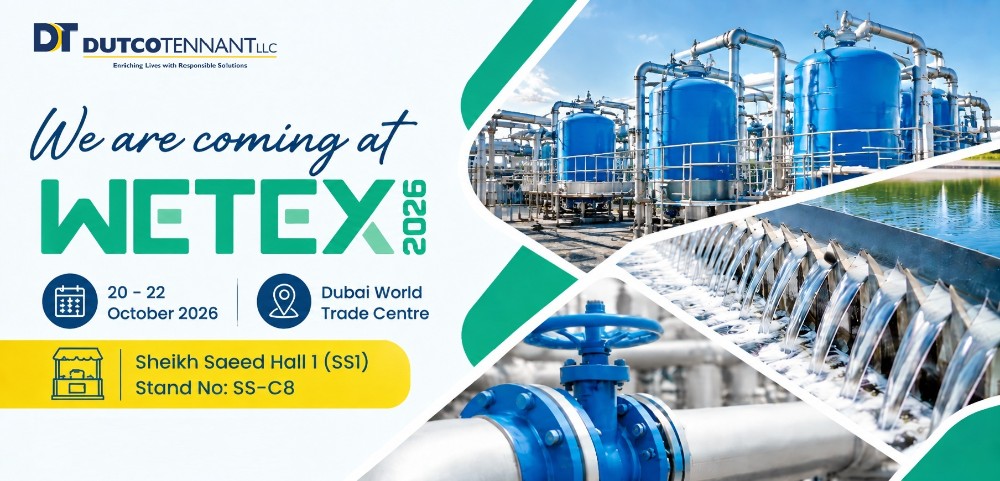
We are excited to announce our participation in WETEX 2026, taking place from 20–22 October 2026 at the Dubai World Trade Centre, UAE.
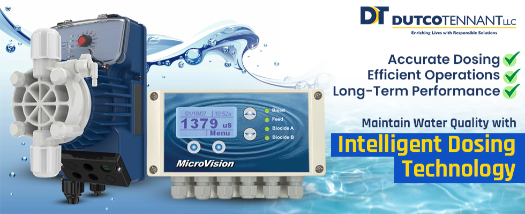
Chemical dosing has one basic purpose: to introduce a controlled quantity of treatment chemical into a water system.
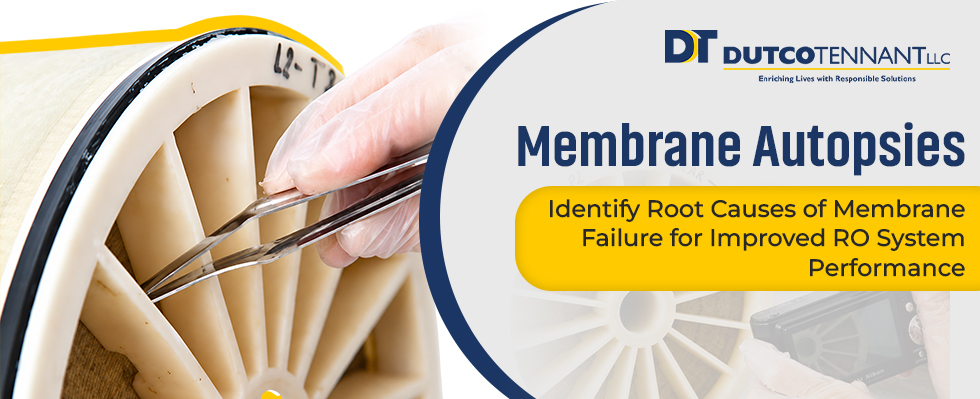
In RO plants, chemical dosing decisions are often made from operating trends such as flow rate, pressure, permeate quality and cleaning frequency.
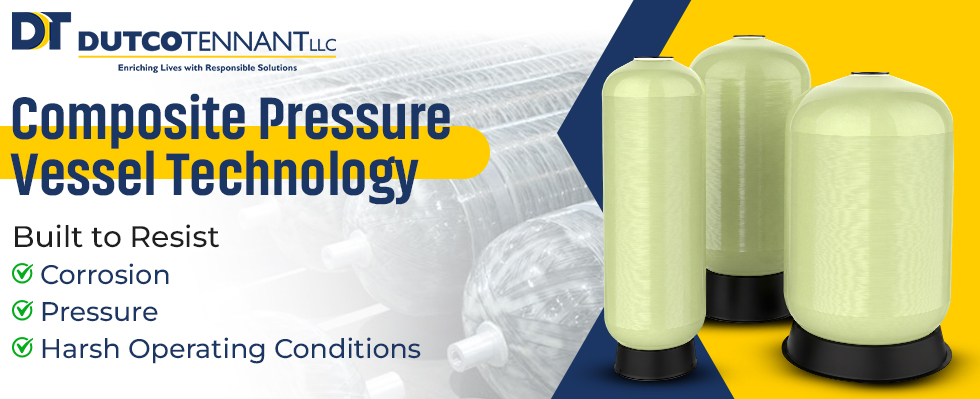
Water quality plays a crucial role in ensuring the efficiency and longevity of commercial, industrial, and municipal infrastructure.
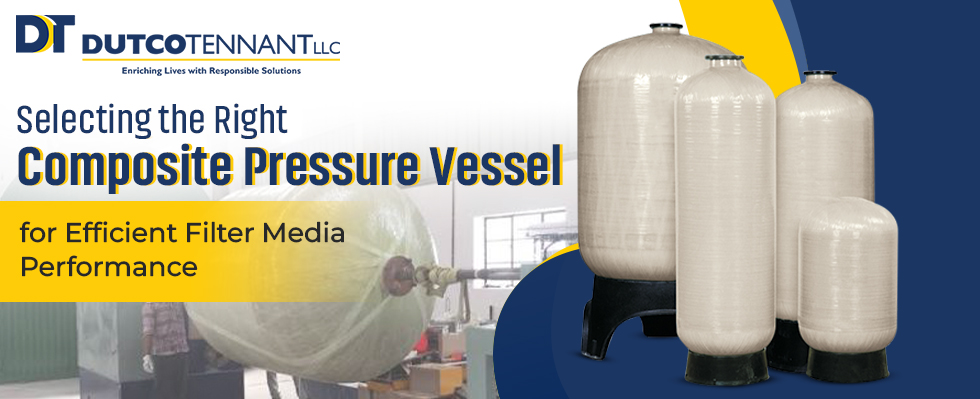
The performance of a water treatment system depends not only on the quality of the filter media but also on selecting the right pressure vessel to support it.
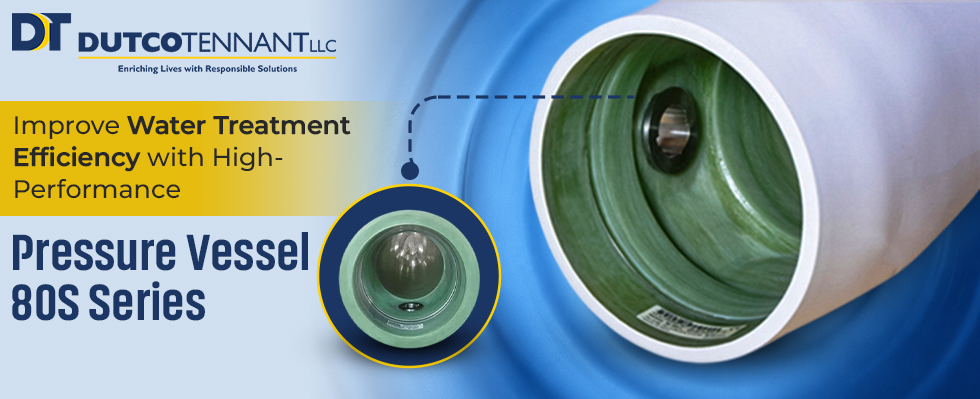
In reverse osmosis plants, efficiency depends on more than membrane selection. The vessel that houses the membrane also affects
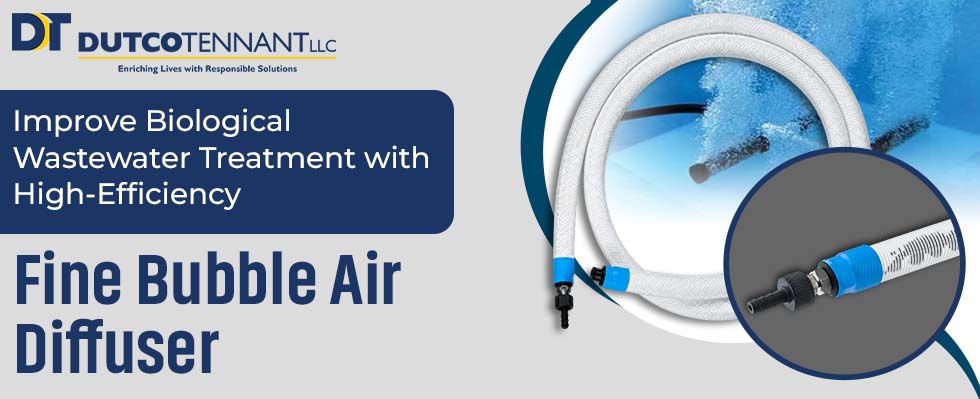
Biological wastewater treatment depends on a steady supply of dissolved oxygen. In an aeration basin, microorganisms.