


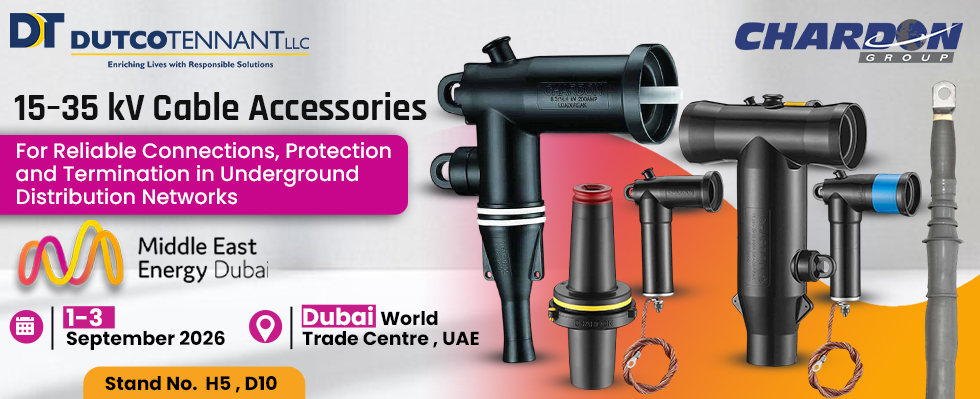
Underground vs. Overhead Distribution: What 15 kV–35 kV Elbow and Termination Systems Solve
Overhead and underground distribution networks present different engineering conditions where a cable meets a transformer, switchgear or other apparatus.

Overhead and underground distribution networks present different engineering conditions where a cable meets a transformer, switchgear or other apparatus.
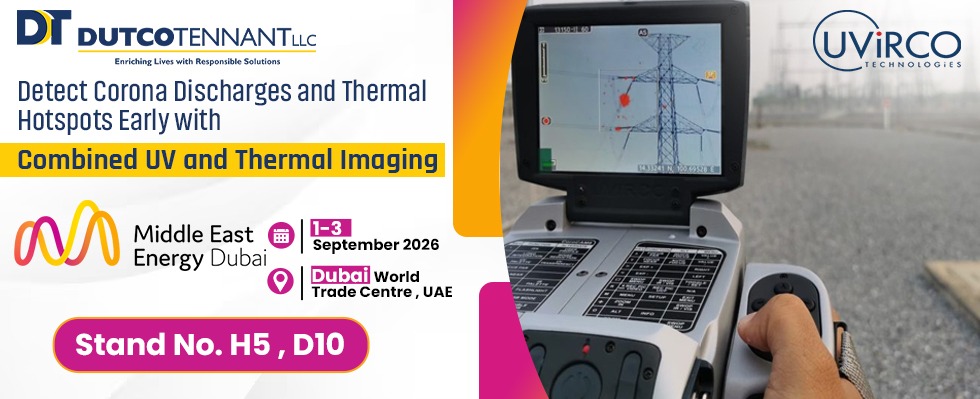
Electrical deterioration does not always begin with a visible defect or an obvious rise in temperature. Corona can develop where the electric field.
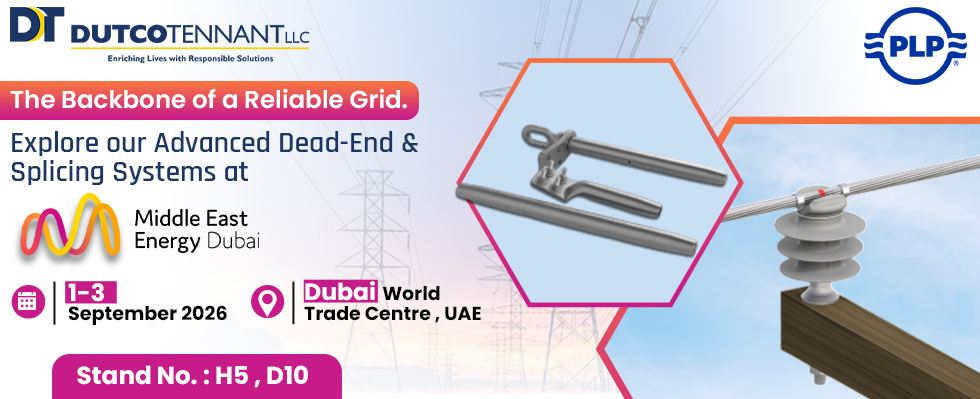
Wind exposure, conductor tension, bundle geometry and operating temperature all influence the long-term condition of an overhead line.
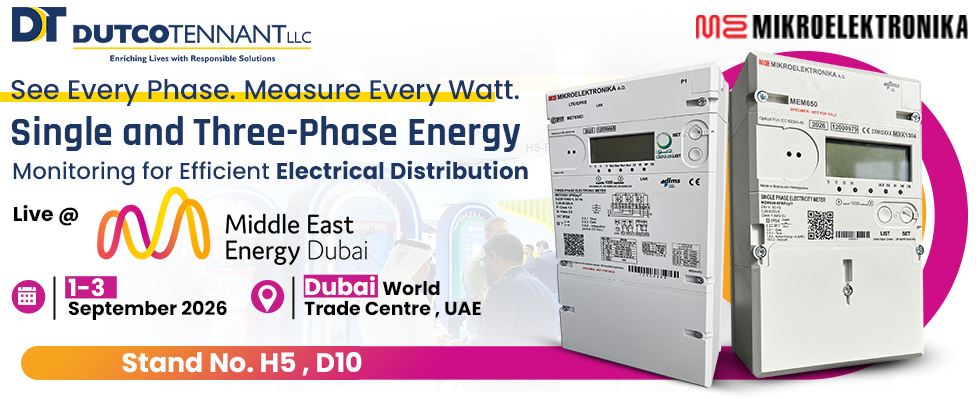
Electricity meters sit at an important interface between utilities, electrical networks, field teams and consumers.
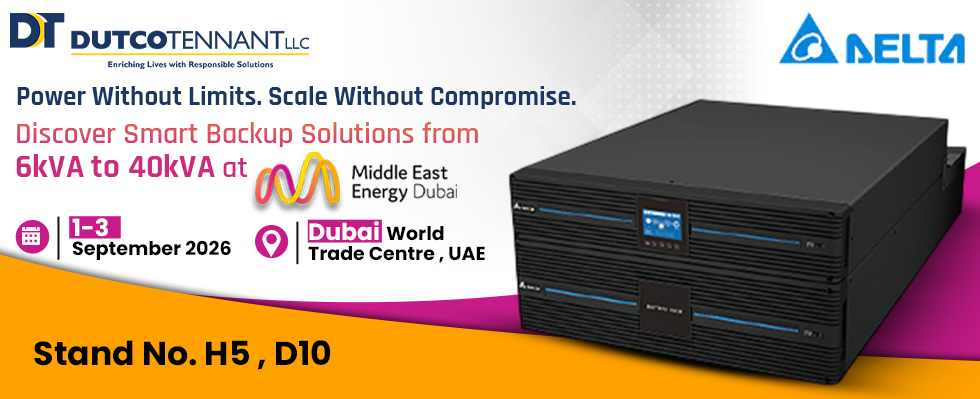
For a modern business, even a short power interruption can have consequences. Servers can go offline, network connectivity can be disrupted.
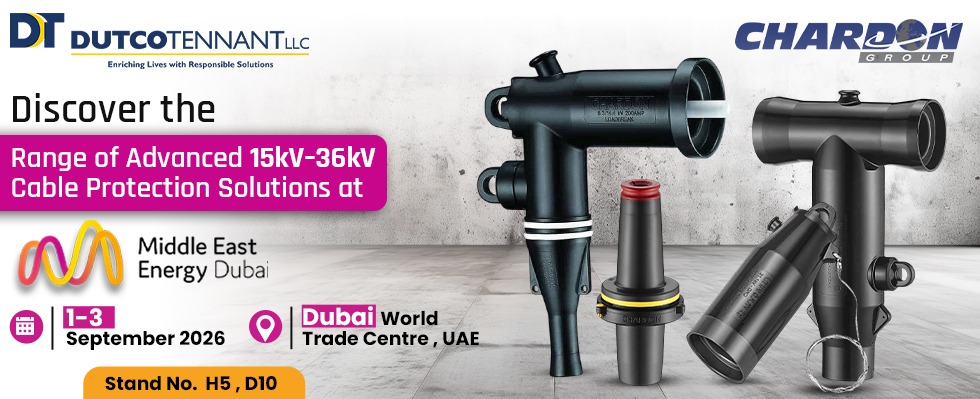
A reliable medium-voltage distribution network depends on more than a single piece of equipment.
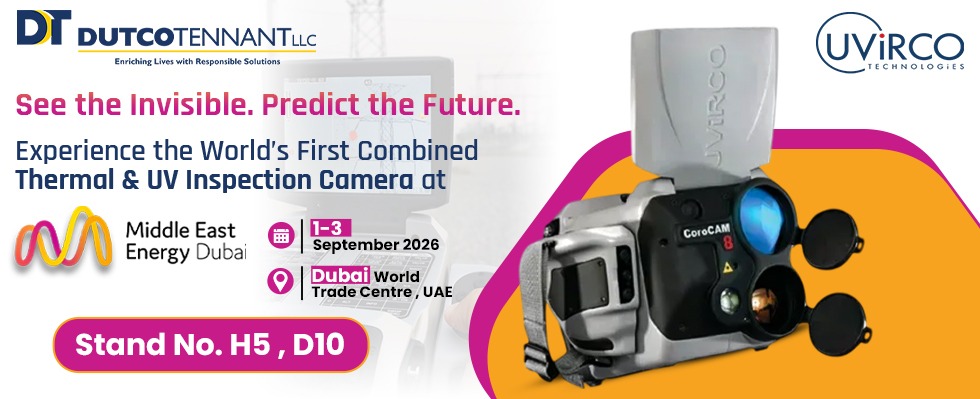
A connection may begin overheating, insulation can deteriorate, or corona discharge may develop around high-voltage equipment while the system continues to operate.
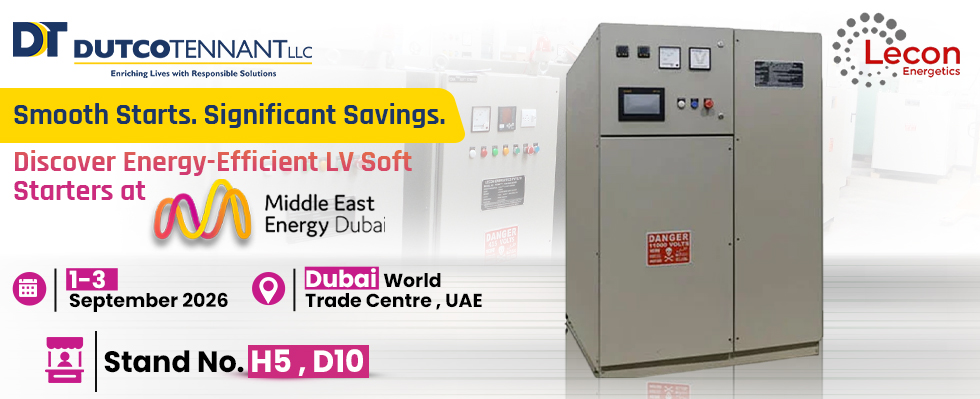
We are excited to present Lecon Energetics LV FCMAplus Soft Starters at Middle East Energy 2026, taking place from 1–3 September 2026 at the Dubai World Trade Centre, UAE.
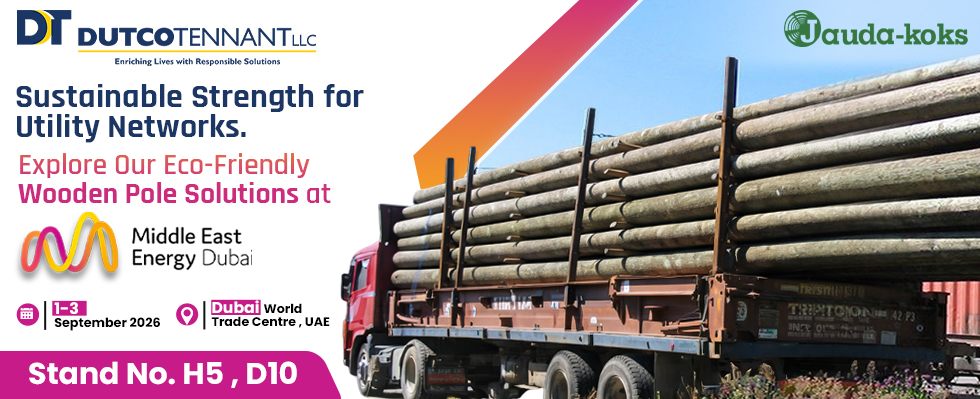
Reliable electricity and telecommunication networks require durable support structures that can perform in demanding outdoor environments.
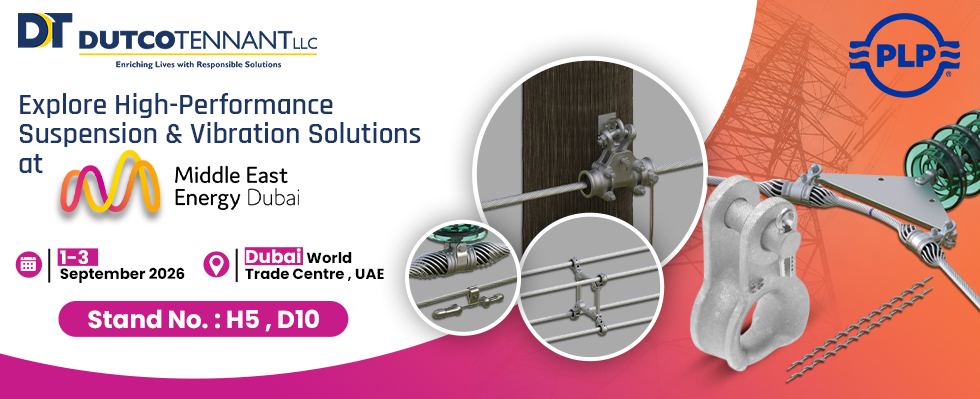
Reliable transmission and distribution networks depend on durable components, precise installation and effective conductor protection.