




Thermal and Acoustic Benefits of Spray Ceiling Systems
Walk into a large open-plan office, restaurant, auditorium, or educational facility and one challenge quickly becomes noticeable: sound behaves differently in spaces dominated by hard surfaces. Exposed concrete soffits, metal decks, glass partitions, and modern minimalist finishes can create unwanted reverberation, making conversations less clear and indoor environments less comfortable.
As architects continue to favour exposed ceilings and seamless interior finishes, acoustic treatment has become an important part of building design. A sound absorbing spray plaster system offers a way to improve acoustic performance while maintaining the visual simplicity of an uninterrupted ceiling surface. When incorporated into a complete ceiling build-up, spray ceiling systems can also contribute to broader design objectives related to comfort and interior performance.
Why Ceiling Design Influences Acoustic Comfort
Many interior spaces are designed around aesthetics, functionality, and occupant experience. However, sound control is equally important. In environments where people communicate regularly, excessive reverberation can reduce speech clarity and create a more distracting atmosphere.
Traditional acoustic solutions often rely on suspended ceiling systems, baffles, or wall-mounted panels. While effective in certain applications, these solutions may not always align with architectural requirements, particularly in projects where exposed structures and clean ceiling lines are preferred.
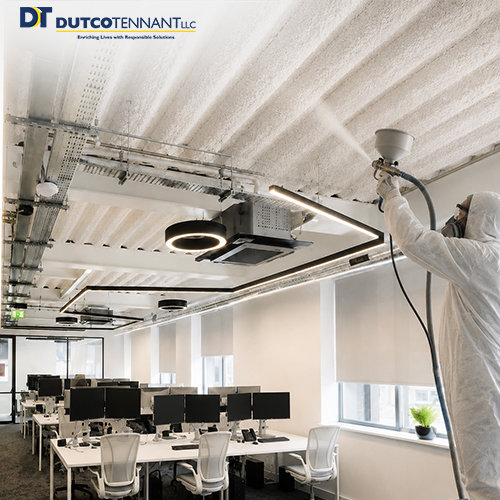
A spray plaster for ceiling applications allows acoustic treatment to become part of the ceiling surface itself. Rather than introducing additional ceiling elements, the treatment is applied directly to the prepared substrate, helping maintain the intended architectural appearance.
A Different Approach to Ceiling Treatment
Unlike conventional ceiling panels, acoustical spray plaster creates a continuous surface across the ceiling. The spray-applied finish follows the shape and contours of the substrate, making it suitable for flat, curved, or architecturally complex ceiling designs.
This characteristic can be particularly useful in projects where visible ceiling grids, joints, or suspended systems may interfere with the overall design concept. The result is a seamless appearance that supports both visual consistency and acoustic control.
Because the finish is applied directly to the ceiling surface, it can also be considered in refurbishment projects where maintaining ceiling height is an important design objective.
How Sound Absorption Supports Interior Performance
Sound absorption plays a key role in controlling reverberation within occupied spaces. When sound waves strike hard surfaces, they are reflected back into the room, contributing to echo and increased background noise.
A spray applied acoustic plaster system uses a textured and porous surface structure that helps absorb a portion of this sound energy. By reducing reflected sound, the ceiling treatment can contribute to a more balanced acoustic environment.
This can be particularly beneficial in spaces where communication is a central activity, including:
- Offices and collaborative workspaces
- Educational facilities
- Hospitality venues
- Conference rooms
- Auditoriums
- Transport terminals
- Public buildings
In these environments, improved acoustic comfort can support clearer communication and a more pleasant occupant experience.
Integrating Acoustic Performance with Architectural Design
Architects are increasingly looking for ways to combine performance and aesthetics within a single solution. Ceiling treatments often need to meet visual expectations while also addressing functional requirements.
An acoustic plaster spray system offers this combination by allowing the acoustic layer to become part of the finished ceiling rather than a separate element added afterwards.
This approach can support design concepts where exposed soffits, visible structures, and uninterrupted ceiling planes are key architectural features. Instead of competing with the design, the acoustic treatment works within it.
For projects that prioritise contemporary interiors, this integration can be an important advantage during specification.
Coordination with Building Services
Modern ceilings rarely serve a single purpose. Lighting, sprinklers, HVAC diffusers, speakers, sensors, cameras, and other services often need to share the same ceiling area.
One of the practical considerations during design is how acoustic treatment will interact with these building services. Because spray ceiling systems are applied directly to the substrate, they can support a cleaner overall appearance while allowing service elements to be incorporated into the ceiling design.
Early coordination remains important. Service penetrations, mounting points, and access requirements should be reviewed before application to help maintain a consistent finish across the completed ceiling.
This planning process allows the acoustic treatment and building services to function together without compromising the visual intent of the space.
Considering Thermal Performance Within the Ceiling Build-Up
The topic of thermal performance is often discussed alongside acoustic design. However, it is important to evaluate thermal characteristics as part of the complete ceiling assembly rather than focusing solely on the spray finish itself.
Where a thermal insulation ceiling objective forms part of the project requirements, consultants and contractors should review the complete system build-up, including substrate conditions, insulation layers, ceiling construction, and performance documentation.
Different projects may have different thermal goals depending on building type, occupancy patterns, and environmental conditions. As a result, thermal considerations should be assessed using project-specific requirements and tested system information.
This ensures that both acoustic and thermal expectations are evaluated as part of a coordinated ceiling design strategy.
Specification Considerations for Project Teams
Selecting a spray ceiling system involves more than choosing a finish. Project teams typically review a range of factors during specification, including:
- Ceiling substrate condition
- Architectural finish requirements
- Acoustic objectives
- Service coordination requirements
- Project documentation
- Application methodology
- Maintenance access
- Fire performance requirements
By reviewing these considerations early, consultants, architects, and contractors can better align the ceiling treatment with the broader project design.
Because every project presents different design conditions, a coordinated approach helps ensure the selected system supports both aesthetic and functional requirements.
Where Spray Ceiling Systems Fit Best
The versatility of spray ceiling systems allows them to be considered across a wide range of building sectors.
In educational environments, acoustic control can help improve learning spaces by supporting speech clarity. In office interiors, reducing reverberation may contribute to more comfortable working environments. Hospitality venues often benefit from improved sound control while maintaining a refined architectural appearance.
Transport infrastructure, auditoriums, public buildings, and commercial developments may also incorporate acoustic and thermal ceilings where both performance and aesthetics influence the design approach.
The ability to create a seamless finish while supporting acoustic objectives makes spray ceiling systems relevant across many contemporary construction projects.
Balancing Performance and Design Objectives
Ceiling treatments are increasingly expected to contribute to more than appearance alone. Acoustic comfort, service coordination, architectural intent, and overall occupant experience all influence modern ceiling design decisions.
A sound absorbing spray plaster system provides an alternative approach for projects seeking a continuous ceiling finish while addressing acoustic considerations. By integrating acoustic treatment into the ceiling surface itself, designers can maintain visual simplicity without overlooking interior comfort.
As open-ceiling architecture continues to evolve, spray ceiling systems remain a solution worth evaluating where acoustic performance and seamless design need to work together.